
The Wrong Ruler (Part 1)
Miss Calloway had been teaching for three years, which was long enough to feel competent and short enough to still feel uncertain about feeling competent.
She had attended seven CPD sessions since September. One on adaptive teaching, one on metacognition, one on the new reading framework, and four others that had blurred together into a single sustained message: do more, notice more, differentiate more, evidence more. Each session had ended with a handout and a renewed sense of things she should be doing differently. She filed the handouts in a folder on her desk that she had labelled, with faint optimism, Development.
She liked her headteacher, who was brisk and well-meaning and spoke often about the whole child. She liked her year group partner, who was experienced and practical and spoke mostly about what was actually manageable. Between those two voices, she navigated each week as best she could.
There were thirty-one children in her class. Thirty-one distinct needs, histories, and mornings before school that she would never fully know. The curriculum was non-negotiable. The assessments were non-negotiable. The parent emails came in at all hours and were, technically, non-negotiable too.
She was not an uncaring person. She thought about her class on Sunday evenings and sometimes in the middle of the night. She wanted to do well by them — genuinely, not performatively. But wanting and managing were not always the same thing, and the distance between them had grown quietly wider as the year went on.
So she had developed systems.
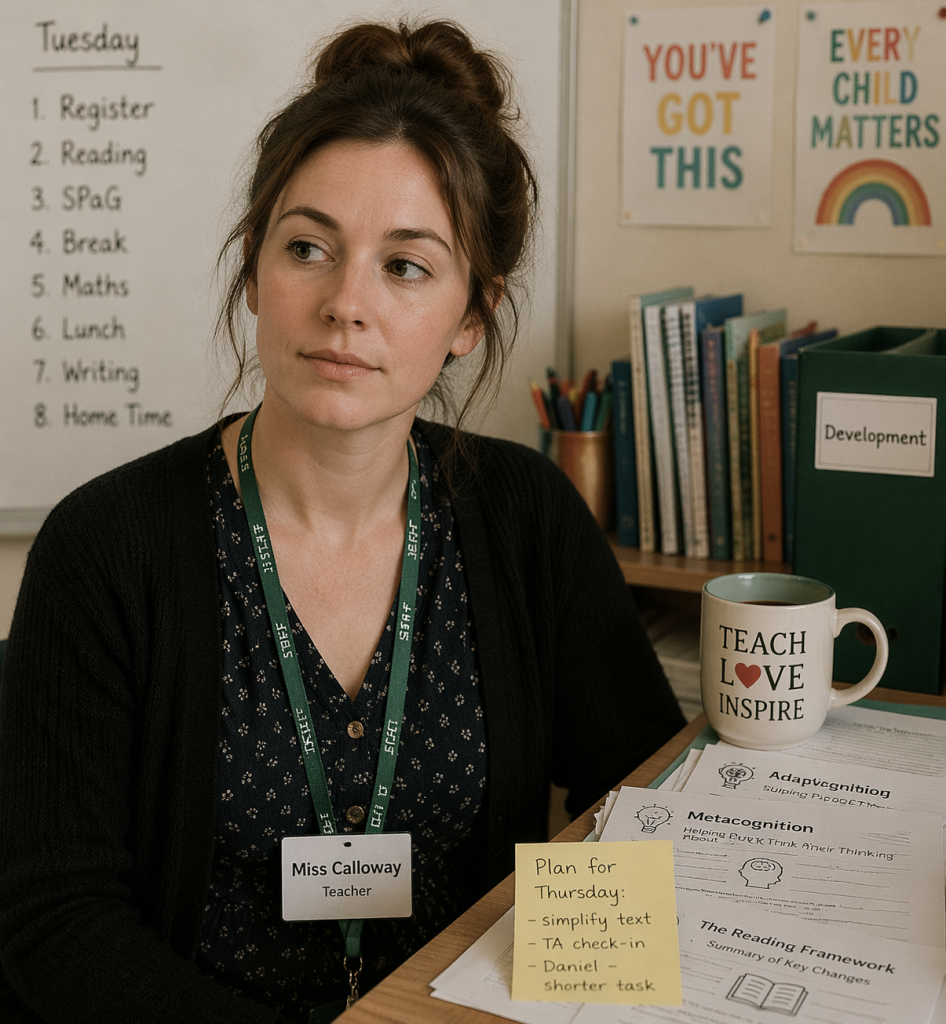
Miss Calloway liked lists.
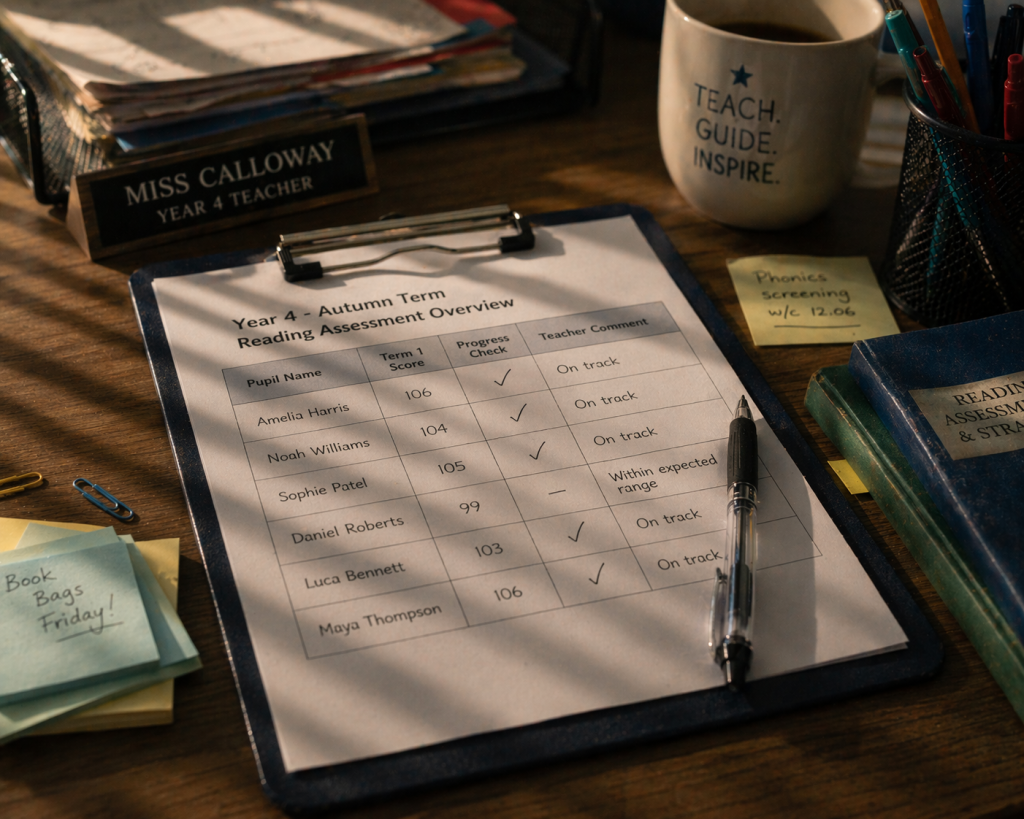
She had a list for the register, a list for the week's objectives, and a smaller, private list she kept only in her head. That last list had no title. It was simply the one that sorted children (not unkindly, she told herself ) into those who were keeping up and those who were not.
Daniel was firmly on the second list. And that, she felt, was understood.
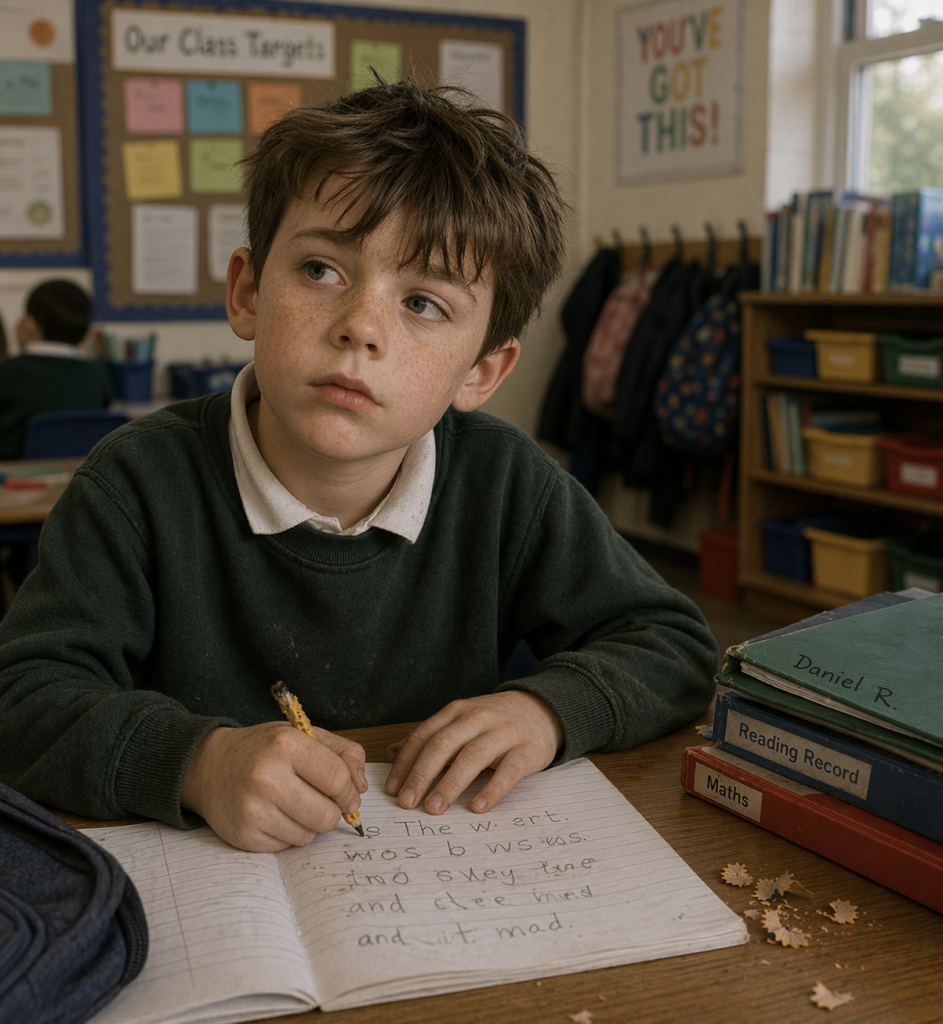
He was seven years old, with untied laces and a pencil he'd chewed down to nothing. His books were a source of quiet frustration..... not because he didn't try, but because the trying never quite seemed to arrive on the page. Letters reversed themselves. Words drifted. Sentences, when they came at all, came slowly and incomplete.
She had flagged it with the SENCo in October. She'd adjusted his seat, simplified his tasks, and given him extra time he rarely used. She had done the right things, and they had produced the right result..... and therefore a child who was supported, accommodated, and understood.
Daniel had been explained.
She didn't dislike him. She worried about him in the low-level way that conscientious teachers worry - not urgently, but persistently. She just knew, with quiet certainty, exactly what he was and wasn't capable of.
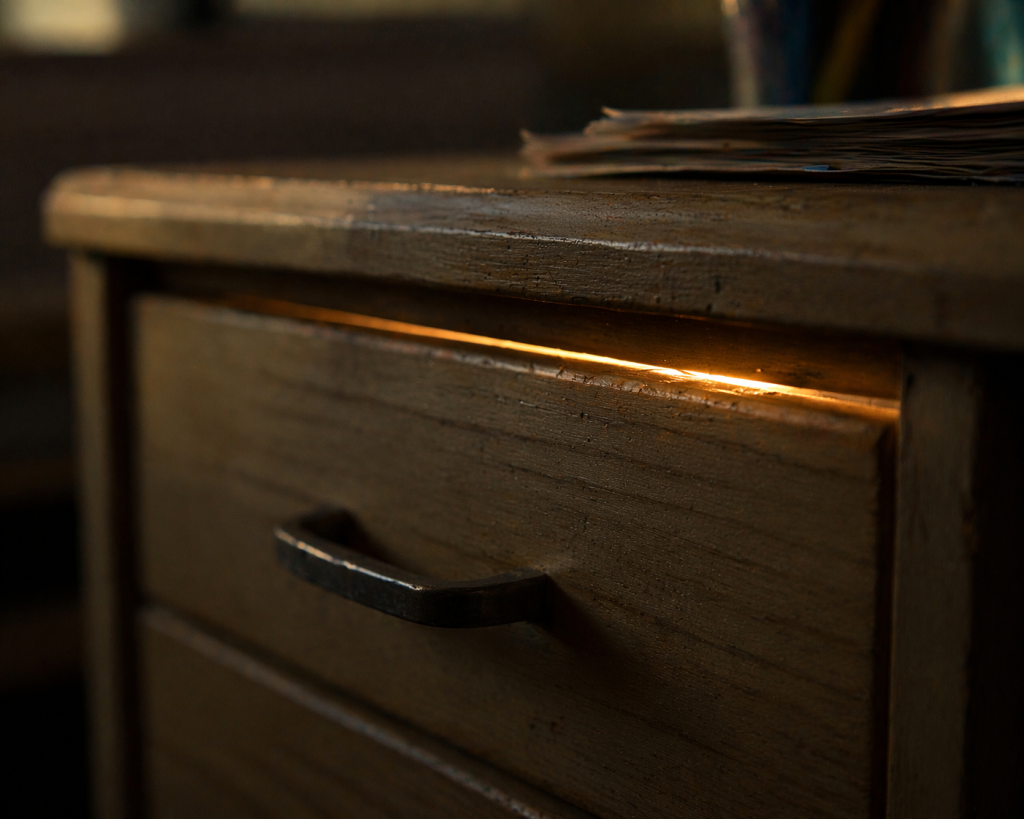
The drawer was closed.
Daniel was not a disruptive child. That was the thing people sometimes got wrong about children like him.
He didn't call out or wander or make himself a problem. He sat where he was put, attempted what he was given, and watched the classroom with a quiet attention that Miss Calloway had never quite known what to do with. He was present in the way that certain children are present (bodily, obediently) without ever quite arriving.
His reading was halting. Given a page, he would approach it carefully, like someone crossing ice, testing each word before trusting it with his weight. Sometimes he made it across. More often, something gave way quietly in the middle, and he would stop, blink, and wait to be helped.
Writing was harder still. The gap between what Daniel seemed to understand and what appeared on his page was wide enough to be puzzling, had Miss Calloway still found it puzzling. She didn't, particularly. She had seen it before. She knew what it meant.
In class discussions, he was rarely first. He would listen carefully while others answered, occasionally nodding at something that seemed to land. Once or twice, she had seen something flicker across his face ( a reaction, a thought ) but by the time she might have called on him, someone else had already moved things forward.
She had noted it once, in passing, in his file. Daniel appears to understand more than he can demonstrate in written work.
Then she had moved on.
It happened on a Thursday afternoon, which was not a remarkable day.
Miss Calloway had planned a writing task — create a short story, no more than a page, prompted by a picture on the board. A forest. A path. Something in the trees that might or might not be watching. She had done it before with other classes, and it reliably produced a reasonable spread of work.
She gave the instructions, set the timer, and the room settled into the particular quiet of children trying.
Daniel looked at the picture for a long time. Then he looked at his page. Then he picked up his pencil, wrote his name in the top corner with the careful concentration he gave to all letters, and stopped.
Miss Calloway had noticed, but she had also learned not to hover. She moved around the room, pausing here and there, and when she looped back past Daniel's table, she saw that his page was almost empty. Three words, crossed out. His pencil was resting in his hand at an angle that suggested it had been given up on.
She was about to say something quiet and encouraging when Priya, sitting opposite, leaned across.
"What's in the trees, Daniel?"

It was an idle question. The kind children ask each other to fill the silence.
Daniel looked at the picture again. And then, without preamble, without looking at anyone in particular, he began to talk.
He said there was something that had been in the forest longer than the trees themselves.
Not an animal, he said, though it moved like one sometimes. It had learned to keep still when people were on the path, because it had worked out (a long time ago) that people only believe in things they are already looking for. So it waited. It was very good at waiting.
The boy in the picture, Daniel said, was called Marcus. He was nine, nearly ten, and he was on the path because he'd had an argument with his dad that morning and needed somewhere to put it. He didn't know about the thing in the trees. But the thing in the trees knew about him — had known about him, in fact, since before he was born, because it had known his grandfather, who used to walk the same path with the same particular way of looking at his feet when something was bothering him.
Priya had stopped pretending to write.

Two other children at the table had quietly put their pencils down.
Daniel wasn't performing. He wasn't looking for a reaction or checking whether anyone was listening. He was simply following something..... a thread that seemed to unspool naturally, as though the story had been waiting and he was merely the one who had found the loose end.
Miss Calloway stood very still at the edge of the room.
She had her clipboard. She had her list. And she was aware, with a feeling she couldn't immediately name, that something had just happened that none of her systems had a place for.
The drawer, it turned out, had not been closed at all.
She didn't say anything when he finished.
That surprised her afterwards, when she thought about it. She was a person who generally knew what to say — an encouraging word, a well-done, a gentle redirect back to the task. She had a repertoire, and she used it fluently, and it had never really failed her before.
But she stood at the edge of the room and said nothing, because anything she might have said would have been smaller than what had just happened.
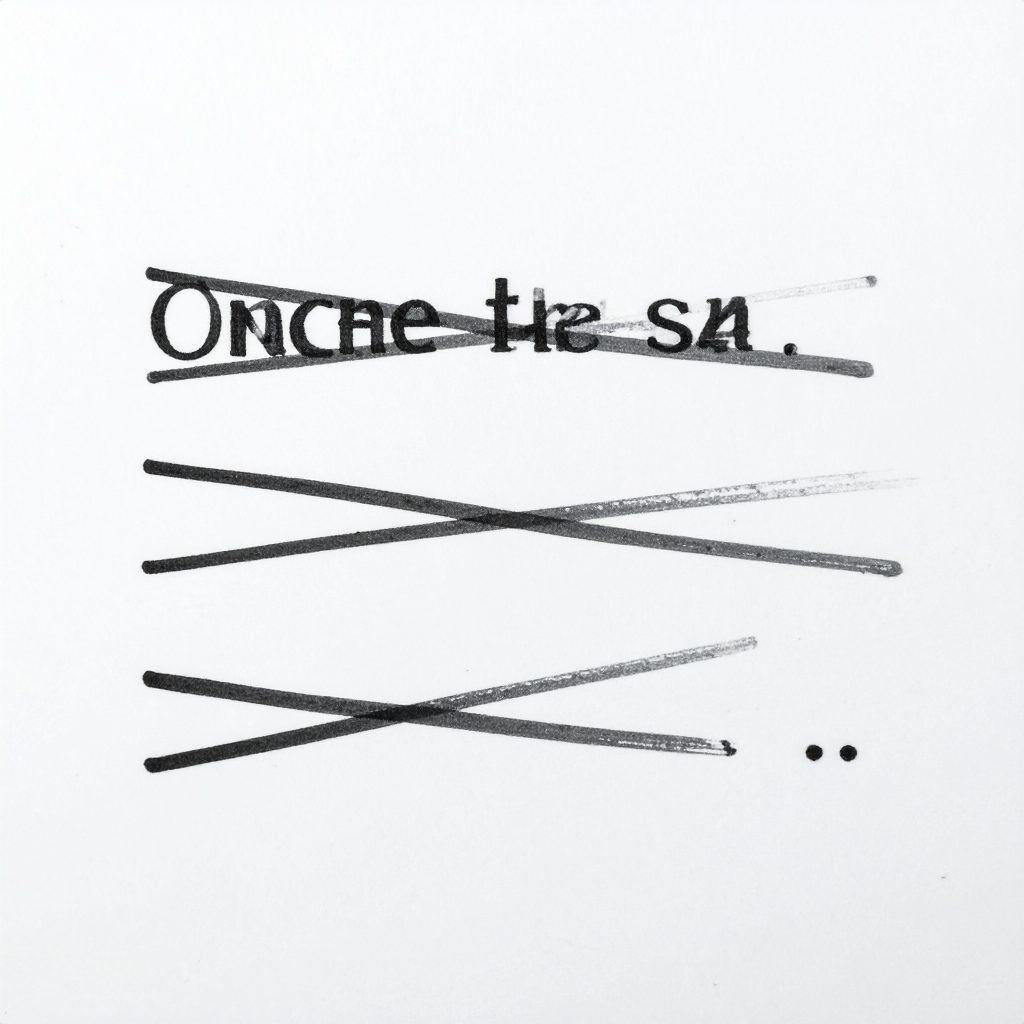
The timer went off. Children began putting pencils down and shuffling pages. The moment dispersed the way moments do in classrooms — quickly, without ceremony, swallowed by the next thing. Priya went back to her own story. The two other children picked up their pencils again. Daniel looked at his three crossed-out words, added a full stop for reasons that weren't entirely clear, and turned his page face down.
Miss Calloway collected the work at the end of the session. She gathered Daniel's page last, almost without meaning to. Three words, crossed out, and a full stop.
She put it in the pile with everything else.
But walking back to her desk, she found she couldn't settle into the marking the way she normally could. She kept returning, without meaning to, to the boy in the picture with his grandfather's way of walking. To the thing in the trees that had learned people only believe in what they're already looking for.
She read that last part back in her own mind and stopped.
People only believe in what they're already looking for.
She hadn't written that. A seven-year-old with untied laces and a chewed pencil and three crossed-out words had said it, out loud, on a Thursday afternoon, without apparently knowing it was remarkable.
Miss Calloway sat down slowly at her desk.
She looked at her list.
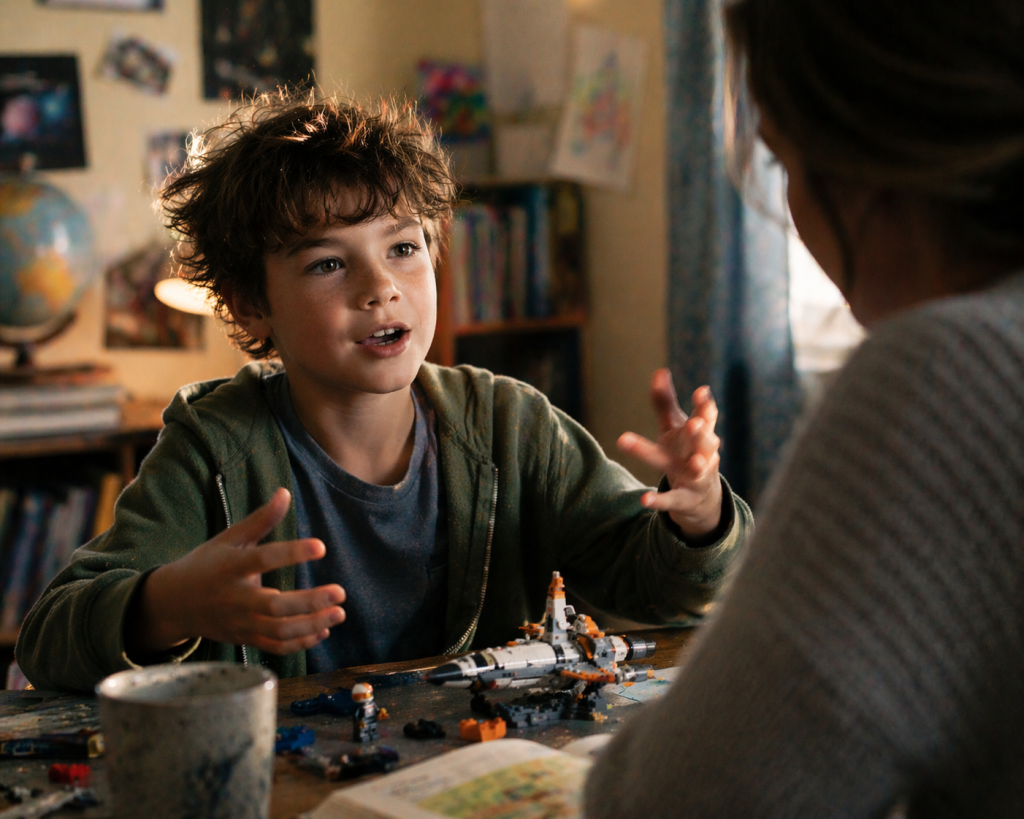
The following morning Miss Calloway waited until the others were settled into their reading before she pulled a chair up beside Daniel's table.
He looked at her with the mild wariness children have when a teacher approaches without an obvious reason.
"Tell me about the thing in the trees," she said.
He blinked. He hadn't expected that.
"From yesterday," she added. "Your story. I've been thinking about it."
Something shifted in his face..... not quite surprise, but close to it. The particular expression of a child who has learned not to expect to be returned to. She recognised it, and the recognition of it sat uncomfortably.
"It's still there," he said, after a moment. "It's been there for ages. It doesn't mean any harm. It just watches."
"Why does it watch?"
He considered this seriously, the way he considered most things..... slowly, from several angles, without rushing to fill the silence.
"Because nobody else does," he said.
Miss Calloway nodded. She stayed a moment longer than she needed to, then put the chair back and returned to the front of the room.
She picked up her pen. She opened her mark book. And on the page where Daniel's name sat quietly in the middle of her second list, she paused.
Then she turned to a fresh page and started writing something that wasn't a list at all.
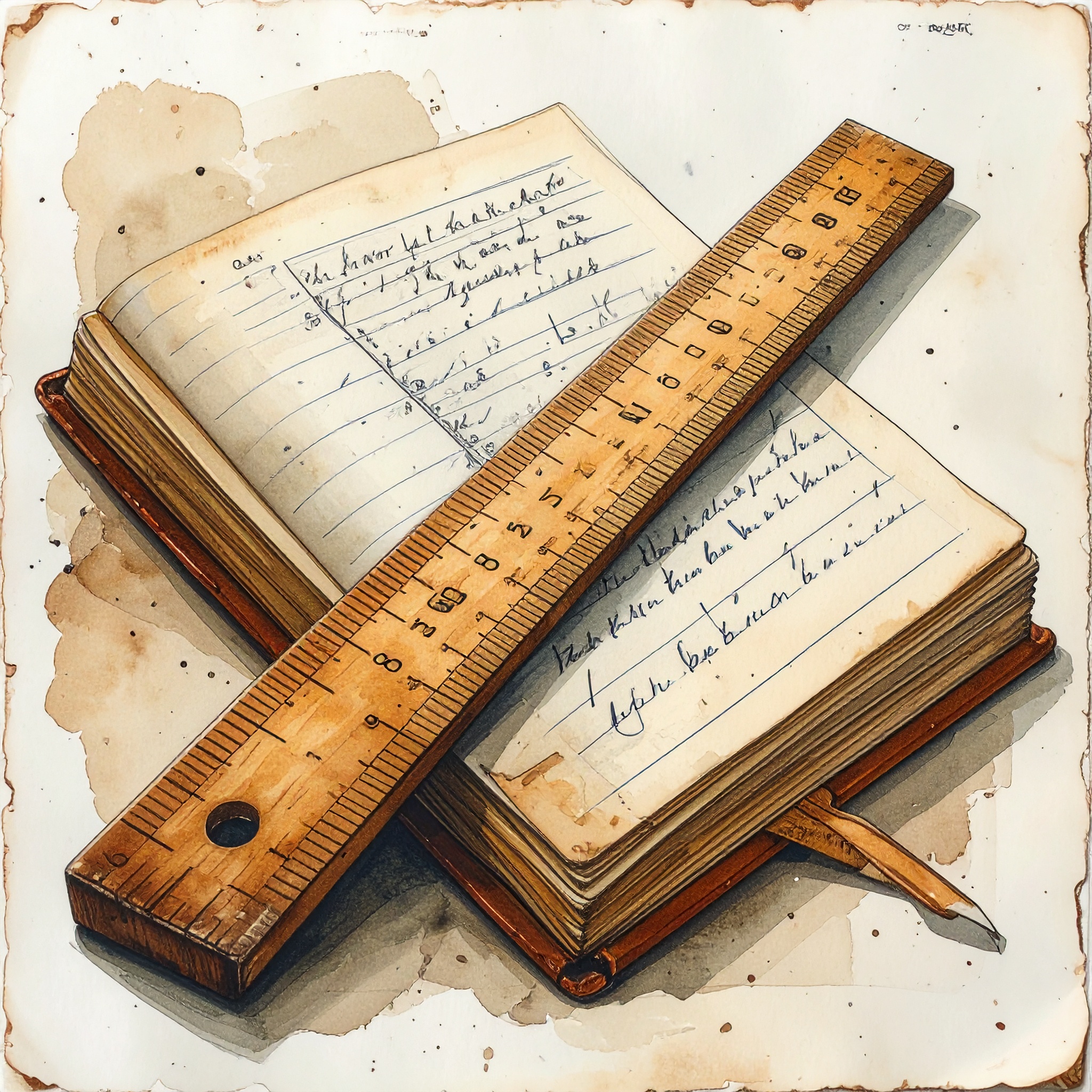
A Note on the Wrong Ruler
Miss Calloway is not a villain in this story. That felt important.
She is conscientious, tired, and doing her best inside a system that measures everything except the thing that mattered most in that Thursday afternoon classroom. She had attended the sessions, filed the handouts, flagged the concern, and made the adjustments. By every available metric, she had done her job.
And yet Daniel had spent months being measured by the wrong ruler.
Not because his teacher didn't care. But because the ruler was the only one she'd been given, and nobody had suggested it might not fit every child, it was held against.
Dyslexia is like that. It hides most effectively behind the very systems designed to catch it — the interventions that help just enough to make the concern feel managed, the accommodations that ease the surface without ever asking what lies beneath it. Children like Daniel learn, early and quietly, to fit the shape of what is expected. They become very good at not being a problem. And the drawer gets closed.
The thing in the trees was right. People only believe in what they are already looking for.
The question this story asks ( gently, without blame) is simply this: what are you looking for, and what might you be missing because of it?
It isn't about doing more. Most teachers are already doing more than is reasonable. Additionally, it isn't about a new framework, or another handout for the evidence folder. It is about a different kind of looking. Slower, perhaps. Less certain. Willing to be surprised by a child who has already been explained.
Daniel is in every classroom. He has untied laces and a chewed pencil and a story inside him that the page cannot hold. He is waiting, with considerable patience, for someone to ask the right question.
He is very good at waiting.