Welcome to the Defining Dyslexia Free Resources and Guide Section.
We believe that good information should be accessible to everyone. Whether you are a parent, student, adult, teacher, or employer, our free guides are designed to answer common questions, explain the assessment process, and provide practical advice that you can use straight away.
Every guide has been written by a qualified specialist teacher and SpLD assessor, with the aim of helping you make informed decisions and better understand dyslexia and related learning differences.
New resources are added regularly, so please check back for future updates.
Currently available in Our Free Resources & Guides
1
Choosing an Assessment - Parent Guide
A practical guide to help parents compare assessors and understand what to look for before booking a diagnostic assessment.
2
Choosing an Assessment - Adult Guide
A practical guide to help adults compare assessors and understand what to look for before booking a diagnostic assessment.
3
Your Guide to a SpLD Assessment
Whether you are considering an assessment for your child or yourself, this free guide explains what to expect before, during and after the assessment. It answers common questions, explains the assessment process in clear language, and helps you understand how a diagnostic assessment can provide valuable insight into learning strengths, areas of difficulty, and personalised recommendations.
4
Dyslexia in the Classroom
Many people have heard of dyslexia, but there are still many misconceptions about what it is and how it affects learning. This guide explains what dyslexia is, explores the cognitive processes involved, highlights common co-occurring differences, and shares practical classroom strategies that help learners access the curriculum more effectively. It is an ideal resource for parents, teachers, teaching assistants, and anyone wanting a clearer understanding of dyslexia in educational settings.
5
Access Arrangements - What every staff should know
Many people have heard of dyslexia, but there are still many misconceptions about what it is and how it affects learning. This guide explains what dyslexia is, explores the cognitive processes involved, highlights common co-occurring differences, and shares practical classroom strategies that help learners access the curriculum more effectively. It is an ideal resource for parents, teachers, teaching assistants, and anyone wanting a clearer understanding of dyslexia in educational settings.
6
Understanding Assessment Scores
Receiving an assessment report can feel overwhelming, particularly when it contains standardised scores, percentiles, and unfamiliar terminology. This free guide explains what your child’s test results actually mean, how professionals interpret them, and why scores should always be considered alongside the bigger picture. Whether you’re preparing for an assessment or reading through a report you’ve already received, this guide will help you understand the results with greater confidence.
Looking for more support and information?
Whether you’re just starting to explore dyslexia or you’re ready to take the next step, we’ve created a range of resources to help.
Parents and families
Visit our Knowledge Hub for practical articles covering the signs of dyslexia, assessments, school support, and what to expect after a diagnosis.
Schools and professionals
Looking for training, CPD, or specialist advice? Visit our Schools page to find out how Defining Dyslexia can support your staff and pupils.
Ready to arrange an assessment?
If you’d like to discuss whether a diagnostic dyslexia assessment is right for you or your child, we’d be happy to help. Visit our Assessment or Contact Us page to get in touch.
About Your Assessor
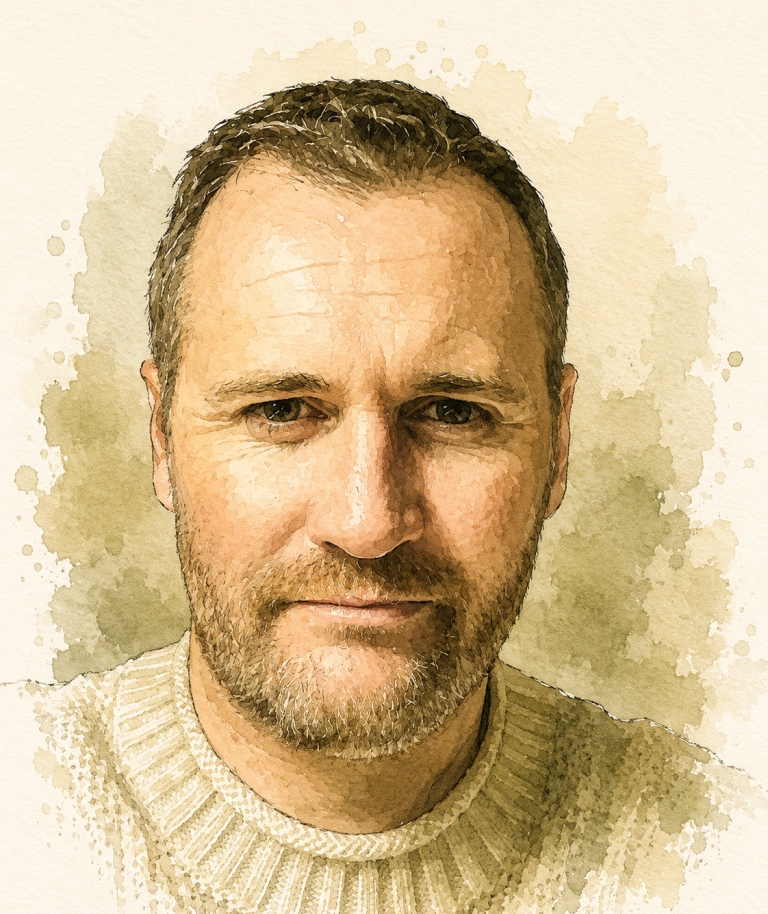
Every Defining Dyslexia assessment is carried out by Mark, a PATOSS-registered specialist assessor with fifteen years of experience supporting children, young people, and adults with dyslexia and other learning differences. Mark holds an APC and works to the standards set by SASC, the body that governs SpLD assessment quality across the UK. Mark's background as a former SENCo means he understands the school system from the inside, and brings that knowledge to every assessment and report he writes.
E-mail: Mark@definingdyslexia.org
We operate virtually across the UK, providing accessible support wherever you are. For in-person appointments, we serve Sheffield, Peterborough, and the surrounding area. Contact us to learn more!