FREE CHILD DYSLEXIA INDICATOR CHECK
Explore patterns in your child’s reading, spelling, written work and learning.
We approach dyslexia screening a little differently.
Online dyslexia checklists can be a useful starting point, but dyslexia is more complex than a simple score. Children can present very differently, and strengths in some areas can sometimes make underlying difficulties less obvious.
A comprehensive screening carried out by a specialist can explore literacy skills alongside areas such as phonological processing, memory and processing speed, as well as developmental and educational history and the support a child has already received.
This free indicator check cannot measure these skills directly or diagnose dyslexia. Instead, it helps parents and carers explore patterns they may have noticed across reading, spelling, written work, memory, processing and their child’s educational history. The results may help you decide whether further exploration or support would be useful.
This check is designed for a parent or carer completing it about a child or young person aged 7–15.
If the young person is 16 or over, please use our Adult Dyslexia Indicators Quiz instead.
Ready? It takes around 3–5 minutes.
Why can dyslexia look different from child to child?
There is no single dyslexic profile. Two children with dyslexia can experience quite different difficulties, which is why looking for one particular sign can be misleading.
Learning to read and write involves several underlying cognitive processes. These include phonological processing, phonological memory, working memory and the speed and automaticity with which information can be processed and retrieved.
Children can have different patterns of strengths and difficulties across these areas. This can affect how easily different aspects of literacy develop.
For example, one child may find phonics and sounding out unfamiliar words particularly difficult. Another may learn to read accurately but remain noticeably slower or need more effort to become fluent. A different child may read reasonably well but experience persistent difficulties with spelling or written work.
These differences help explain why dyslexia does not always look the way parents or teachers expect.
What might this mean while a child is learning to read and write?
Children are still developing their literacy skills. This means that underlying differences can sometimes be seen more clearly during the process of learning phonics, decoding, reading fluently, spelling and writing.
Reading and phonics
Learning to read initially requires children to understand the relationship between spoken sounds and written letters.
For some children, developing these phonological skills is difficult. They may struggle to remember letter-sound relationships, blend sounds together or break unfamiliar words into smaller sound units.
However, not every child with dyslexia will continue to show obvious difficulties with phonics.
As children gain reading experience, they begin to recognise an increasing number of familiar words automatically. Strong vocabulary and understanding can also help a child use context to support their reading.
A child may therefore become an accurate reader while continuing to find unfamiliar words, reading fluency or reading at speed more difficult.
For some children, the question is not simply whether they can read. It is also important to consider how easily, fluently and automatically reading is developing.
Spelling
Spelling can sometimes reveal difficulties that are less obvious when a child is reading.
A child may spell words as they sound, forget spelling patterns they have previously been taught or spell the same word differently within one piece of work.
Some children can perform well in a weekly spelling test but find it much harder to apply those spellings automatically when writing independently.
Persistent spelling difficulties can therefore be important to consider alongside a child's wider reading and processing profile.
Writing
Writing places many demands on a developing learner at the same time.
A child needs to think about what they want to say, hold their ideas in mind, organise them into sentences and manage spelling and punctuation. Handwriting or typing can add another demand.
When some of these processes require greater conscious effort, less attention may be available for developing and recording ideas.
A child may therefore explain something confidently and in considerable detail when speaking, but produce much less when asked to write it down. Written work may take longer, contain simpler vocabulary or not fully reflect what the child appears to understand.
Why can dyslexia sometimes be difficult to spot in children?
Children naturally develop at different rates, and difficulties do not always appear in the same way.
Some children have very noticeable difficulties when they first begin learning phonics and decoding. For others, early reading may appear relatively secure.
A child may have strong vocabulary, reasoning or comprehension skills that help them work out words from context. They may also remember familiar books and words particularly well, or use pictures and their understanding of the topic to support reading.
These are useful strengths. However, they can sometimes make underlying difficulties less obvious.
As reading and writing become more demanding, the strategies that previously worked may become less effective. Difficulties may become more noticeable when texts contain increasingly unfamiliar vocabulary, reading needs to become faster or children are expected to produce longer pieces of independent writing.
This is one reason why dyslexia may become more apparent at different stages of a child's education.
Why does the indicator check look across different areas?
An online indicator check cannot diagnose dyslexia because similar outward difficulties can occur for different reasons.
Equally, looking only at whether a child can read or spell can miss an important part of the picture.
A child may have developed strategies that support an area of difficulty, while another child may have strengths that help compensate for a less efficient underlying process. This is why our indicator check looks for patterns across different areas, rather than relying on one particular symptom or a simple yes/no score.
Your child's result should therefore be viewed as a starting point. It may highlight areas that are worth exploring further, but it cannot tell you whether your child is dyslexic.
If you would like to understand the underlying processes in more detail, visit our What Is Dyslexia? page. You can also learn more about a full diagnostic dyslexia assessment for children.
If you are unsure whether an assessment would be appropriate for your child, you are welcome to contact us for a free and honest initial conversation. We can talk through your concerns and help you decide whether further assessment is likely to be useful.
About Your Assessor
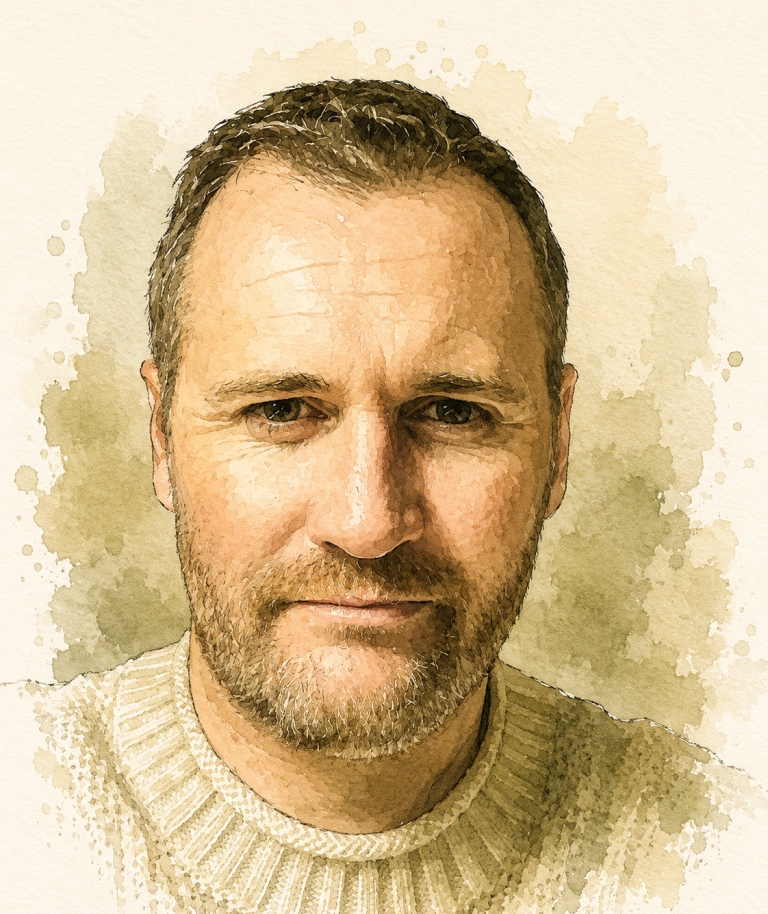
Every Defining Dyslexia assessment is carried out by Mark, a PATOSS-registered specialist assessor with fifteen years of experience supporting children, young people, and adults with dyslexia and other learning differences. Mark holds an APC and works to the standards set by SASC, the body that governs SpLD assessment quality across the UK. Mark's background as a former SENCo means he understands the school system from the inside, and brings that knowledge to every assessment and report he writes.
E-mail: Mark@definingdyslexia.org
We operate virtually across the UK, providing accessible support wherever you are. For in-person appointments, we serve Sheffield, Peterborough, and the surrounding area. Contact us to learn more!