FREE ADULT DYSLEXIA INDICATOR CHECK
Explore your experiences across six areas commonly associated with dyslexia.
We approach dyslexia screening a little differently.
Online dyslexia checklists can be a useful starting point, but dyslexia is more complex than a simple score. A comprehensive screening considers patterns across literacy, cognitive processing and developmental history, alongside professional judgement.
This free indicator check cannot measure these areas directly or diagnose dyslexia. Instead, it helps you explore patterns in your own experiences across six areas commonly associated with dyslexia. Your results may help you decide whether further exploration would be useful.
Ready? It takes around 3–5 minutes.
Why can dyslexia look different from person to person?
There is no single dyslexic profile. Two people with dyslexia can experience quite different difficulties, which is why looking for one particular sign can be misleading.
Behind reading, spelling and writing are several cognitive processes. These include phonological processing, phonological memory, working memory and the speed and automaticity with which information can be processed and retrieved.
Different people can experience different patterns across these areas.
For example, one person may find unfamiliar words particularly difficult but gradually develop a large bank of words they recognise automatically by sight. Another may read accurately but remain noticeably slower, particularly when working under time pressure. Someone else may read relatively confidently but continue to experience persistent difficulties with spelling or getting their ideas into writing.
These differences help explain why dyslexia does not always look the way people expect.
What may this mean in adulthood?
By adulthood, many people have spent years developing ways of working around areas they find difficult.
Reading
Some adults with dyslexia read accurately and enjoy reading. Years of experience can create a large sight vocabulary, meaning familiar words are recognised automatically.
Difficulties may become more noticeable with unfamiliar words, technical vocabulary, reading speed or when large amounts of information need to be processed quickly. For some adults, the issue is therefore not whether they can read but how much time and effort reading requires.
Spelling
Spelling difficulties can remain even when reading has become strong. Some adults rely heavily on spellcheck or predictive text, avoid words they are unsure how to spell or find that spellings simply do not seem to stick.
These are often effective strategies rather than evidence that the original difficulty has disappeared.
Writing
Writing requires several things to happen at once. Ideas need to be held in mind, organised and converted into sentences while spelling and punctuation are also managed.
An adult may therefore communicate complex ideas confidently when speaking but find that producing those same ideas in writing takes considerably longer.
Why does the indicator check look across different areas?
An online indicator check cannot diagnose dyslexia because similar outward difficulties can occur for different reasons.
This is why our indicator check looks for patterns, rather than relying on one particular symptom or a simple yes/no score.
Your result should therefore be viewed as a starting point. It may help you recognise areas that are worth exploring further, but it cannot tell you whether you are dyslexic.
If you would like to understand the underlying processes in more detail, visit our What Is Dyslexia? page. Alternatively, you can learn more about a full adult dyslexia assessment. If you are unsure whether assessment would be worthwhile, you can contact us for a free and honest initial conversation.
About Your Assessor
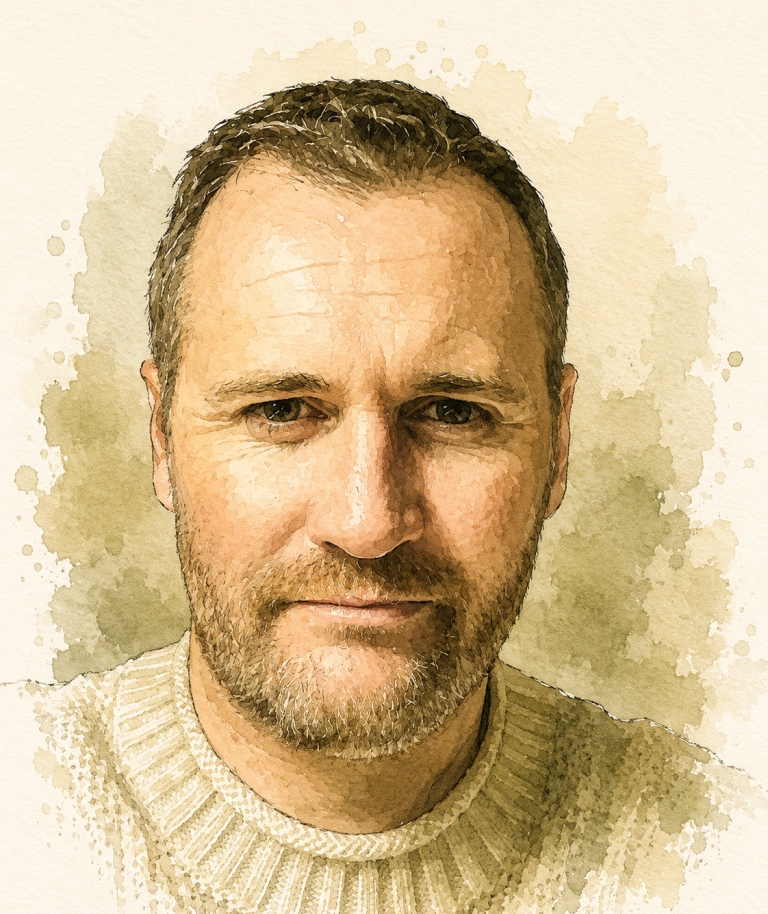
Every Defining Dyslexia assessment is carried out by Mark, a PATOSS-registered specialist assessor with fifteen years of experience supporting children, young people, and adults with dyslexia and other learning differences. Mark holds an APC and works to the standards set by SASC, the body that governs SpLD assessment quality across the UK. Mark's background as a former SENCo means he understands the school system from the inside, and brings that knowledge to every assessment and report he writes.
E-mail: Mark@definingdyslexia.org
We operate virtually across the UK, providing accessible support wherever you are. For in-person appointments, we serve Sheffield, Peterborough, and the surrounding area. Contact us to learn more!